Back to Resources
Main Condenser Tubesheet Coating: 116,000 Tubes, Kalinin Nuclear Plant
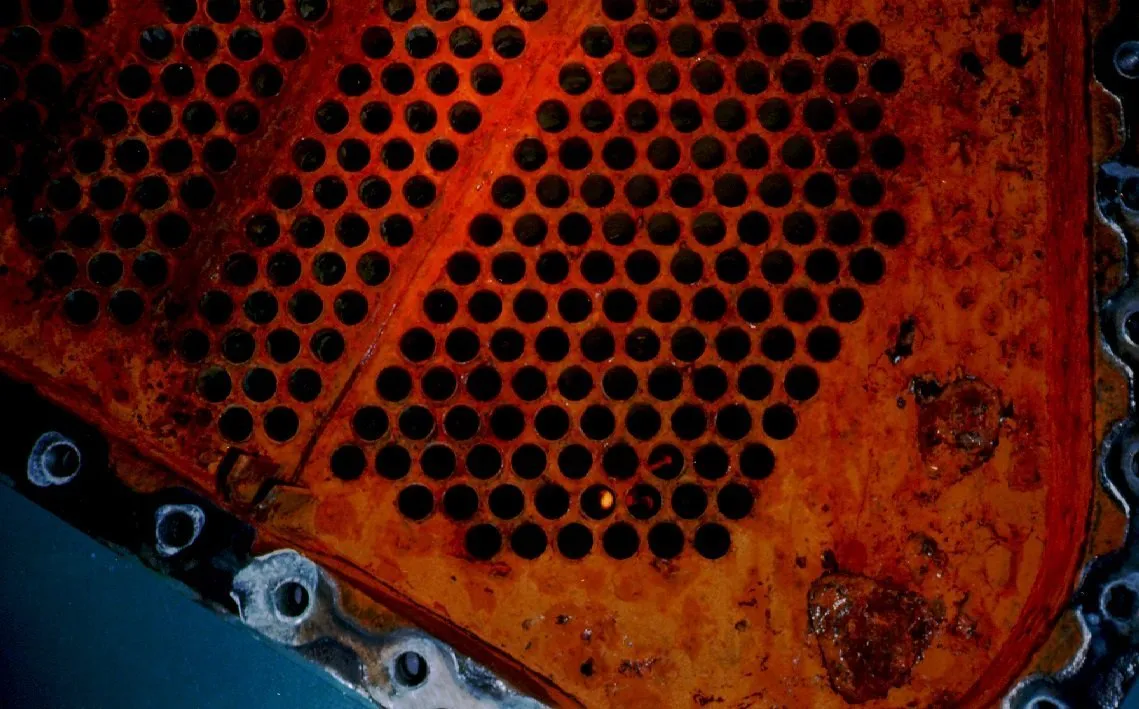
Tube-to-tubesheet joint leaking, 116,000 tubes, 24 carbon steel tubesheets, Unit 2, Russia.
24 carbon steel tubesheets across 116,000 tubes at Kalinin Nuclear Power Plant Unit 2 coated with immersion-grade epoxy to seal leaking tube-to-tubesheet joints, with no coating damage at 18-month inspection.
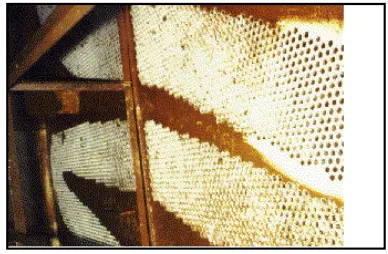
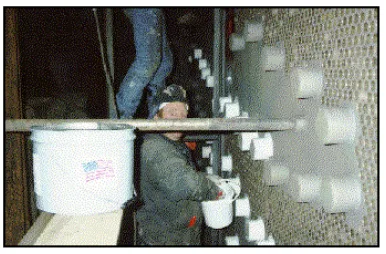
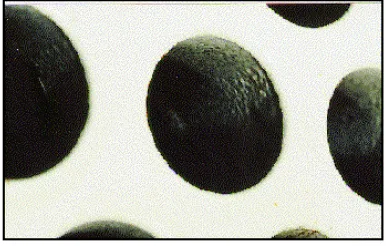
Main Condenser Tubesheet Coating · Kalinin Nuclear Power Plant Unit 2, Russia
The Problem
General Leaking at the Tube-to-Tubesheet Joint Across 600 Square Meters of Surface
The main condenser at Kalinin Nuclear Power Plant Unit 2 was experiencing general leaking at the tube-to-tubesheet joints. The condenser contained 116,000 tubes, each 9 meters long with a 26mm internal diameter, fabricated from a copper-nickel-iron alloy. The tubesheets were carbon steel, 24 in total, each measuring 25 square meters — putting the total tubesheet surface area at 600 square meters across a single condenser unit.
The Failure Mode
The joint between the tube and the tubesheet is a transition between two different materials under continuous thermal and hydraulic cycling. Over time, that interface can lose integrity, allowing process-side fluid to migrate through and compromising condenser vacuum. At a nuclear facility, maintaining condenser performance is directly tied to unit output and operational reliability.
The Solution
Immersion-Grade Epoxy Across All 24 Tubesheets — No Plugs, Full Joint Access
Tubesheets
24 Sheets
Total Surface
600 m²
Tubes
116,000
All 24 carbon steel tubesheets were coated with an immersion-grade epoxy system. The coating sealed the tube-to-tubesheet joints across the entire condenser, creating a continuous protective barrier over the carbon steel substrate and bridging the interface between tube and sheet where leaking had been occurring.
Critical Variable
No Plugs Used
At this scale, application discipline is critical. Plugging tubes during surface preparation or coating application creates shadow zones at the joint where the surface cannot be properly cleaned or coated. On this project, no plugs were used, ensuring full access to the joint geometry on every tube across all 24 tubesheets.
The Result
An inspection conducted 18 months after completion showed no coating damage across any of the tubesheets. Condenser performance showed no reduction from the coated condition. The joints were sealed and holding.
What This Case Demonstrates
Scale Does Not Change the Solution — It Raises the Stakes for Getting It Right
Tube-to-tubesheet joint leaking in large condensers is not a problem that resolves itself or stays contained. Each leaking joint contributes to condenser vacuum loss, and vacuum loss reduces unit efficiency directly. At the scale of a nuclear condenser with over 100,000 tubes, even a small percentage of leaking joints represents a significant operational problem. This project shows that a correctly applied epoxy coating system can seal those joints across an enormous surface area and maintain that seal over time without degradation. The 18-month inspection result at a facility of this criticality is a meaningful proof point.

High-performance epoxy systems for industrial repair and protection.