Back to Resources
Tubesheet Coating: Galvanic Corrosion, Muntz Metal to Stainless Steel
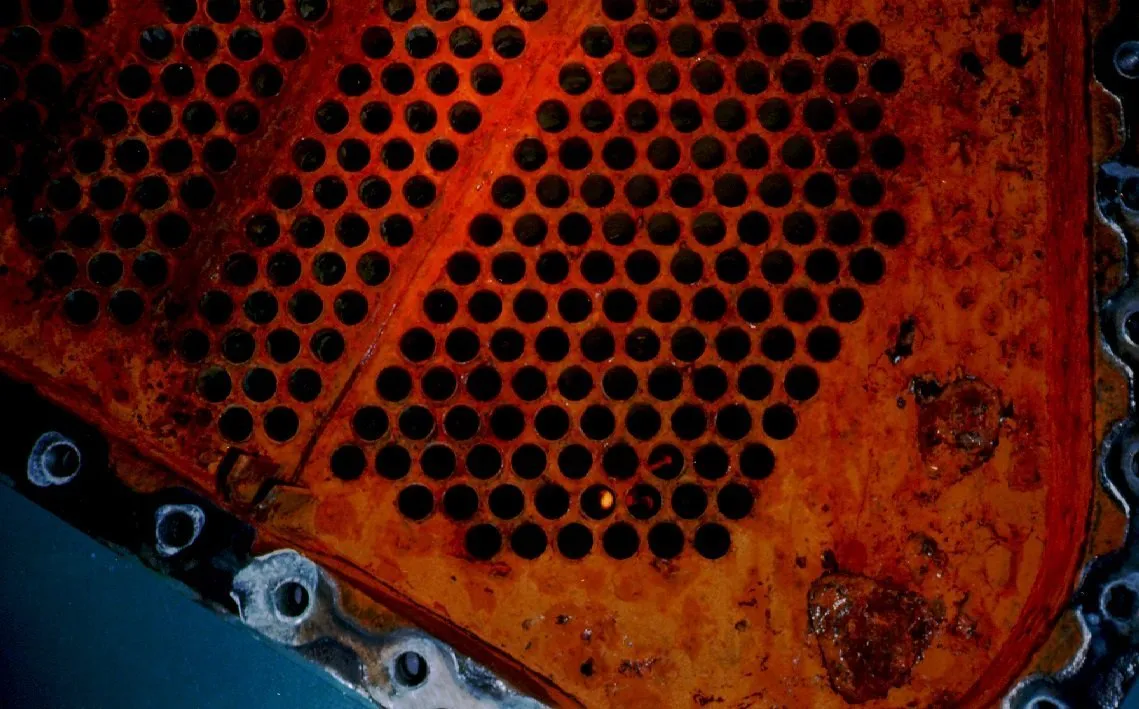
Muntz metal tubesheets, dissimilar metal galvanic cell, main condenser.
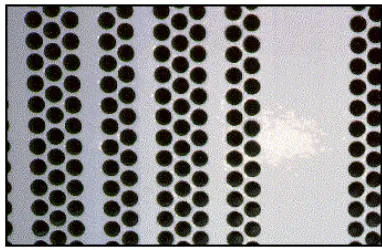
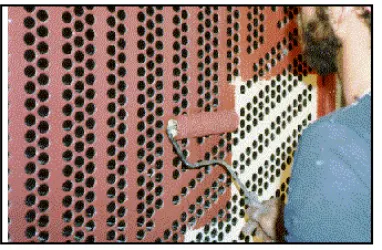
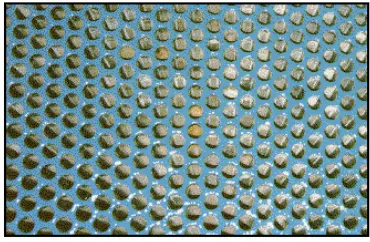
Immersion-grade epoxy applied to 50 mils on Muntz metal tubesheets to create an electrically insulating barrier and eliminate galvanic attack from coupled stainless steel tubes and waterboxes.
Tubesheet Coating · Galvanic Corrosion Protection
The Problem
Dissimilar Metals in Cooling Water — The Tubesheet Was the Sacrificial Material
The main condenser tubesheets were fabricated from Muntz metal, a copper-zinc alloy. The tubes passing through them were stainless steel, as were the waterboxes on either side. When dissimilar metals are coupled in the presence of an electrolyte such as cooling water, a galvanic cell forms. Current flows between the metals and the less noble material corrodes preferentially. Muntz metal sits lower on the galvanic series than stainless steel, which meant the tubesheets were the sacrificial material in the cell.
Critical Variable
Corrosion Is Not Visible Until It Is Already Significant
Left unaddressed, the galvanic attack would progressively destroy the tubesheet material at the tube-to-tubesheet interface, eventually compromising tube joints and condenser integrity. The corrosion is not visible until meaningful metal loss has already occurred, and by that point the repair scope grows considerably.
The Solution
Break the Electrical Circuit — Five-Coat Insulating Barrier at 50 Mils
Coats Applied
5 Coats at 10 Mils Each
Total DFT
50 Mils
An immersion-grade epoxy coating was applied to the tubesheets in five coats at 10 mils per coat, building to a total dry film thickness of 50 mils. At that thickness, the coating acts as a continuous electrically insulating barrier between the Muntz metal and the stainless steel system surrounding it. With the metals no longer in electrical contact through the cooling water, the galvanic cell cannot form and the preferential corrosion of the tubesheet stops.
Why Five Coats
Thinner coatings carry a higher risk of pinholes or holidays that would allow electrical continuity at isolated points, sustaining localized galvanic attack even under an otherwise intact coating. Building to 50 mils provides a reliable, continuous barrier with the film integrity required for long-term immersion service.
The Result
Galvanic corrosion of the Muntz metal tubesheets was eliminated. The insulating barrier interrupted the dissimilar metal circuit and removed the driving force for continued material loss.
What This Case Demonstrates
Understand the Mechanism First — Then the Solution Is Simple
Galvanic corrosion at the tube-to-tubesheet interface is one of the most common and most underestimated failure modes in condenser and heat exchanger service. It is often misread as general corrosion until the pattern of attack — concentrated at the metal transition — reveals the actual mechanism. Once the mechanism is understood, the solution is not a rebuild or a replacement. It is insulation. A well-applied, sufficiently thick epoxy coating removes the electrical pathway that drives the corrosion and protects the tubesheet for the long term without any modification to the surrounding system.

High-performance epoxy systems for industrial repair and protection.