Back to Resources
Divider Plate Repair: Through-Wall Penetration, Fiberglass Composite Rebuild
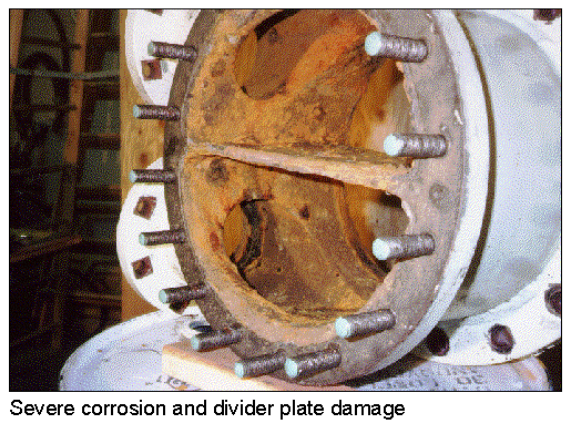
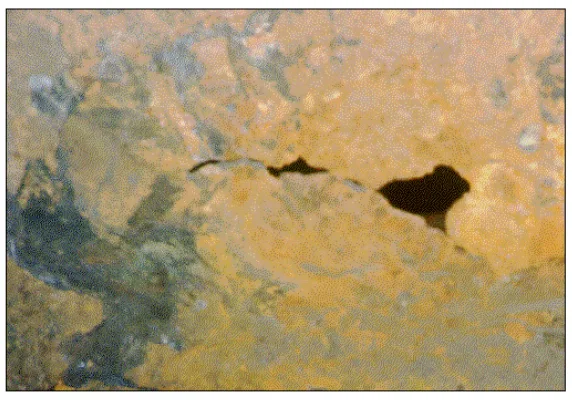
Cast iron waterbox divider plate, through-wall penetration, saltwater service.
Through-wall penetration in a cast iron waterbox divider plate rebuilt on both sides with a 12-layer fiberglass composite system, holding from April 1989 until the plant retired in 1995.
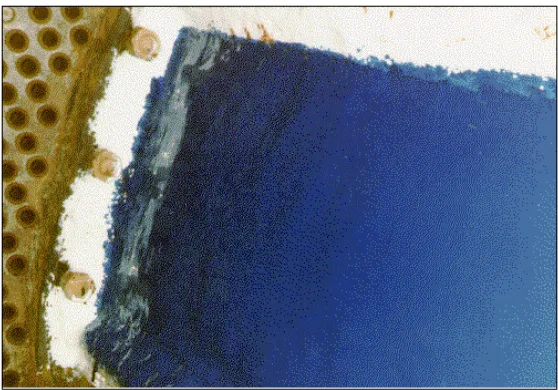
Divider Plate Repair · Fossil Fuel Power Plant, USA
The Problem
Through-Wall Penetration in Thinned Cast Iron — Patching the Hole Was Not Enough
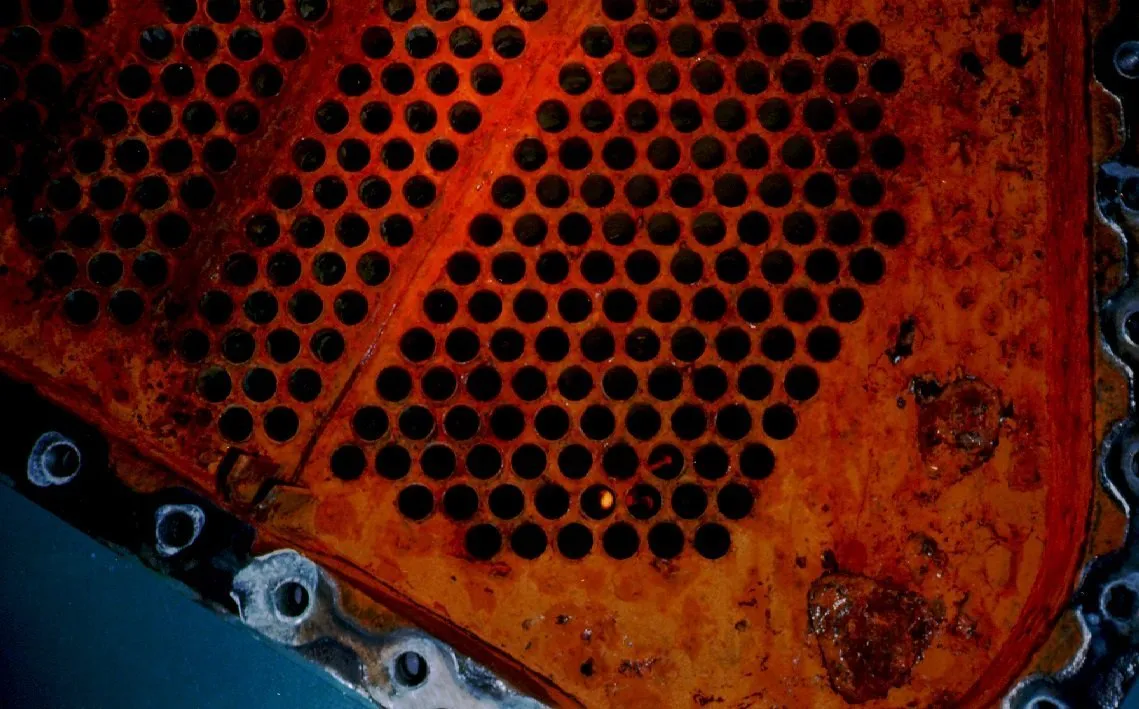
A cast iron waterbox divider plate in saltwater service had developed a through-wall penetration. The metal around the hole had thinned severely, meaning the failure wasn't isolated to a single point. The surrounding wall was compromised enough that patching the hole alone wouldn't be sufficient. The entire repair area needed to be stabilized and rebuilt to carry the load of continued service.
The Solution
12-Layer Fiberglass Composite Repair — 3/8-Inch Finished Thickness Each Side
Installation
April 1989
Glass Layers
12 Per Side
Finished Thickness
3/8 In. Per Side
Surface Preparation & Base Coat
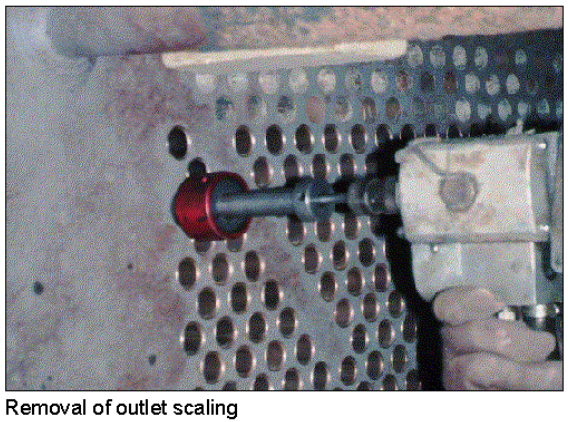
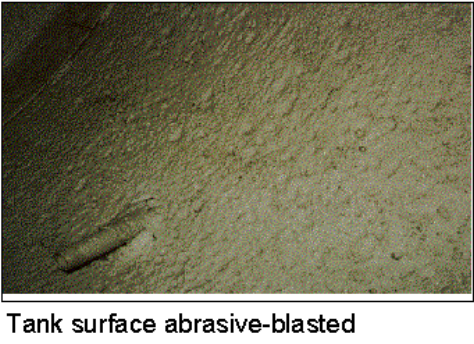
Both sides of the divider plate were abrasive-blasted to SSPC SP-5 white metal with a 3-mil minimum anchor profile. A high-performance epoxy base coat was applied to both sides.
Hole Bridging & Structural Fill
While the base coat was still wet, 9.5-ounce fiberglass cloth was pressed into the coating to cover the hole and wet out with additional epoxy. A thick layer of structural epoxy compound was then applied to level the entire repair area and provide a stable foundation for the layup.
12-Layer Fiberglass Composite Layup
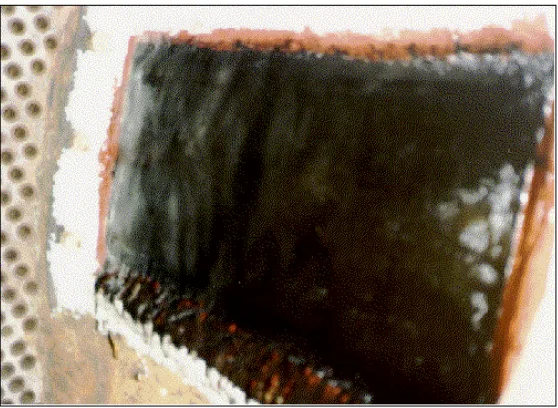
Successive layers of fiberglass cloth were installed on each side, each layer cut slightly larger than the one beneath it to distribute load across a wider area. Each layer was wet out with an epoxy-modified concrete resin. This process was repeated until 12 layers of glass cloth had been installed on each side.
Finish Coat
A finish coat of epoxy was applied over the completed layup, sealing the composite system and providing ongoing corrosion protection for continued saltwater service.
The Result
The repair was completed in April 1989. The unit remained in continuous service until the plant was retired in 1995 — a period of six years — with no repair failures or follow-up work required on the divider plate.
What This Case Demonstrates
A Layered Composite System Distributes Stress — A Patch Concentrates It
A through-wall penetration in a divider plate is not simply a hole to be plugged. The metal thinning that surrounds it means the structural integrity of the plate itself is in question. Welding is often not viable on severely thinned cast iron, and replacement of the waterbox is a costly, time-consuming option during an outage. This project demonstrates that a properly executed fiberglass composite repair can restore a compromised divider plate to full service life. The layered cloth-and-resin system distributes stress across the repair area rather than concentrating it at a single patch point, which is why the repair lasted for the remaining operational life of the plant.

High-performance epoxy systems for industrial repair and protection.