Back to Resources
Secondary Containment Rebuild: Failed Lining, Phosphoric Acid Service
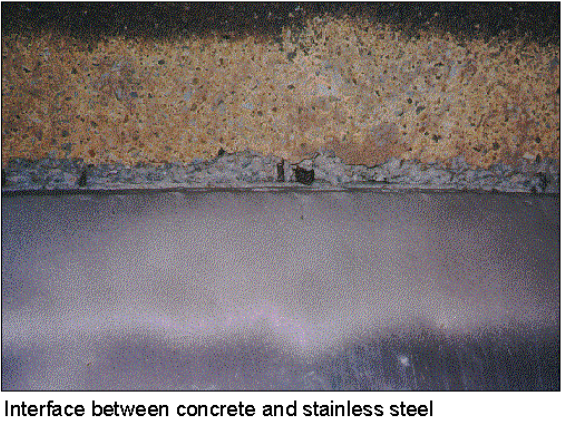
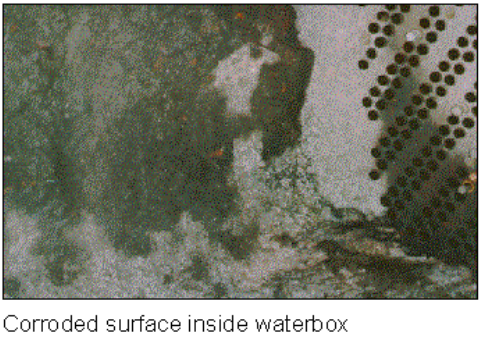
Failed previous coating, severe concrete damage, phosphoric acid secondary containment.
Severely damaged phosphoric acid containment concrete leveled with epoxy floor leveler and repair material, then topcoated with a ceramic-filled epoxy novolac to 40 mils after a previous coating system failed.
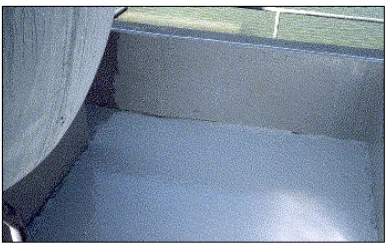
Concrete Secondary Containment Rebuild · Phosphoric Acid
The Problem
Failed Coating, Exposed Concrete, Direct Phosphoric Acid Contact
The secondary containment area was designed to hold phosphoric acid in the event of a spill or release. The previous coating system had failed, leaving the concrete substrate exposed to direct chemical contact. Phosphoric acid is aggressive to concrete — it reacts with the calcium compounds in the cement matrix, dissolving the binder and progressively weakening the slab. By the time the coating failure was addressed, the concrete had sustained severe damage across the containment area.
Critical Variable
A Failed Containment Coating Is a Regulatory and Safety Failure
The containment is only functional if it can hold the material it is designed to contain. A compromised substrate cannot be relied upon to do that. The consequences of a coating failure here extend beyond structural damage into regulatory compliance and operational risk.
The Solution
Remove, Consolidate, Level, Then Coat — In That Order
Total DFT
40 Mils
Topcoat
2 Coats at 20 Mils Each
Surface Preparation
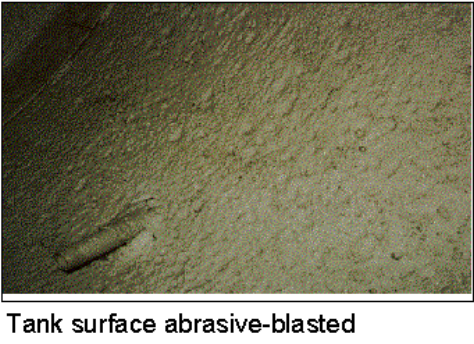
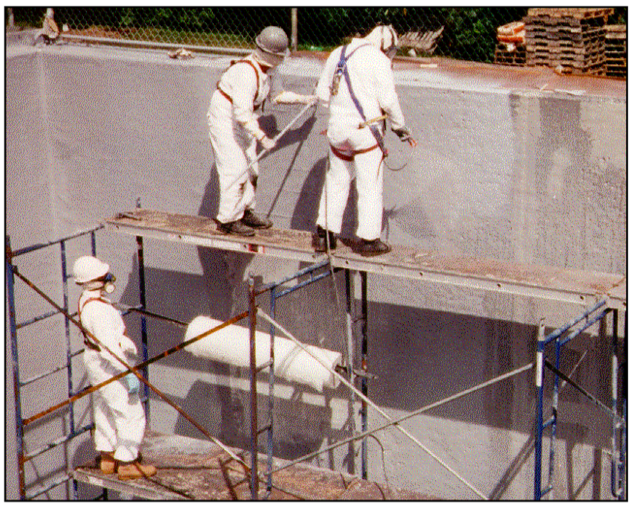
The entire containment area was blasted with a coal slag abrasive to remove the failed coating, surface contamination, and any weakened concrete, leaving a clean, profiled substrate ready for the repair system.
Substrate Consolidation and Leveling
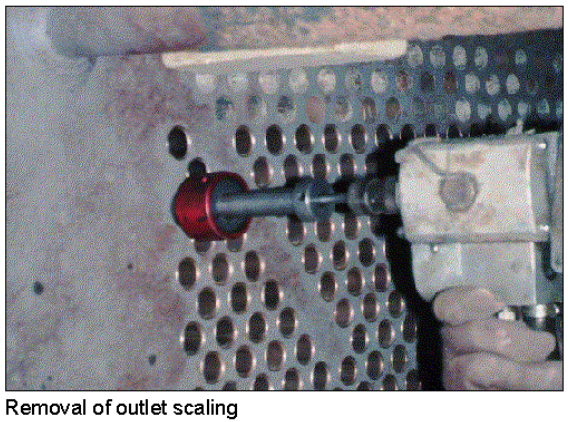
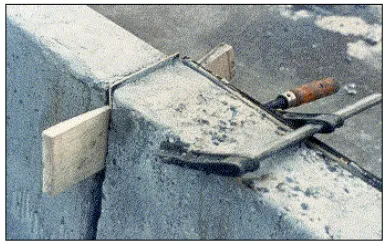
A low-viscosity epoxy floor leveler was applied to areas of major concrete loss, flowing into cracks and surface voids to seal and smooth the damaged substrate. An epoxy-modified concrete repair material was then applied to fill and level areas of concrete loss. Where walls had sustained damage, polypropylene forms were used to hold the repair material in place while it cured, restoring consistent surface geometry across both the containment floor and walls.
Ceramic-Filled Epoxy Novolac Topcoat
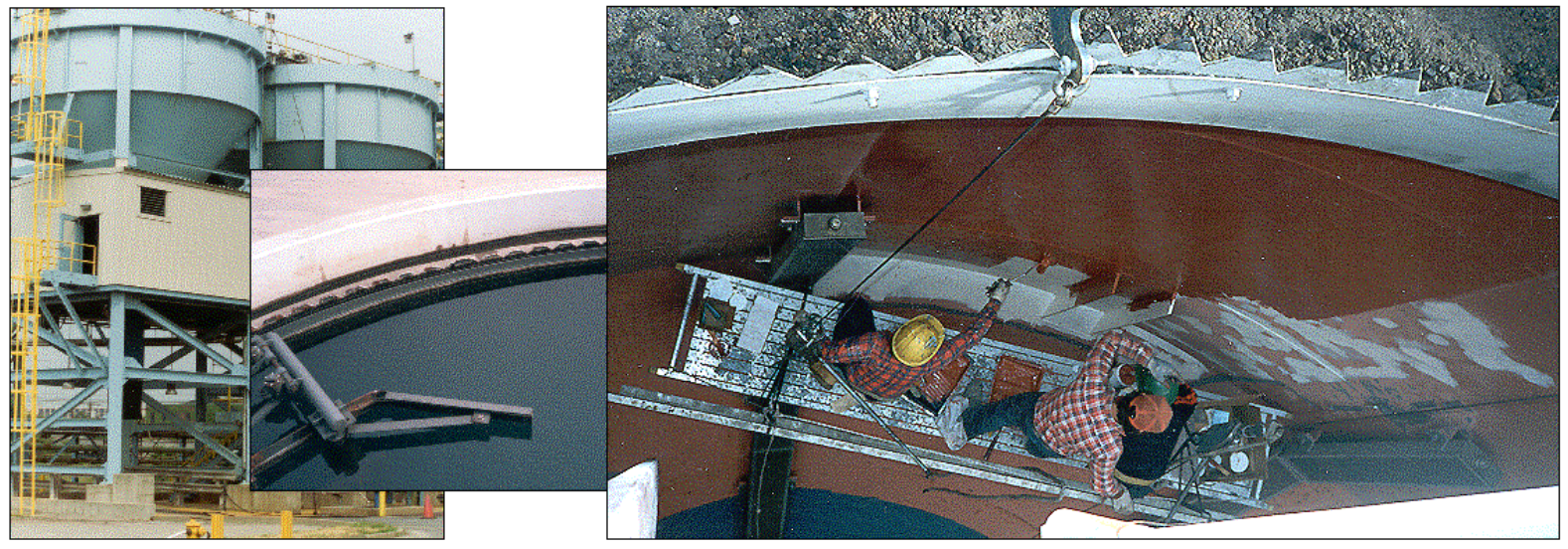
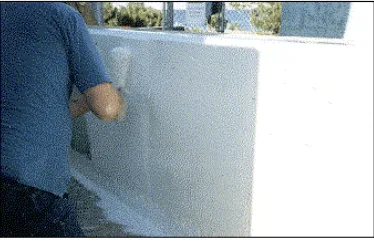
Two coats of a ceramic-filled epoxy novolac were applied by roller at 20 mils per coat, building to 40 mils total dry film thickness. This system was selected for its resistance to acid environments and its flexibility across large surface areas without requiring fiberglass reinforcement. At 40 mils, it provides a continuous, chemically resistant barrier capable of handling phosphoric acid contact.
The Result
The containment area was restored to full protection against phosphoric acid. The rebuilt substrate, primed and leveled before the topcoat system was applied, gave the coating a sound foundation that the original failed system did not have.
What This Case Demonstrates
Recoating a Damaged Substrate Is What Causes the Next Failure
When a coating fails in a secondary containment area, the repair scope is almost always larger than it first appears. The chemical exposure that caused the coating failure has also been attacking the concrete underneath it, and that substrate damage has to be addressed before a new coating can perform. Applying a topcoat over damaged concrete is what causes the next failure. This project follows the correct sequence: remove the failed system, consolidate and level the damaged substrate, then apply the protective coating over a surface that can support it. The result is a containment area that is structurally sound and chemically protected — rather than one that is simply recoated.

High-performance epoxy systems for industrial repair and protection.