Back to Resources
Deaerator Tank Restoration: Severe Metal Loss, 24-Hour Return to Service
Power Generation — U.S.A.
Deaerator Tank Restoration · Severe Metal Loss
The Problem
Severe Internal Metal Loss in a Pressure Vessel Feeding Directly into the Boiler System
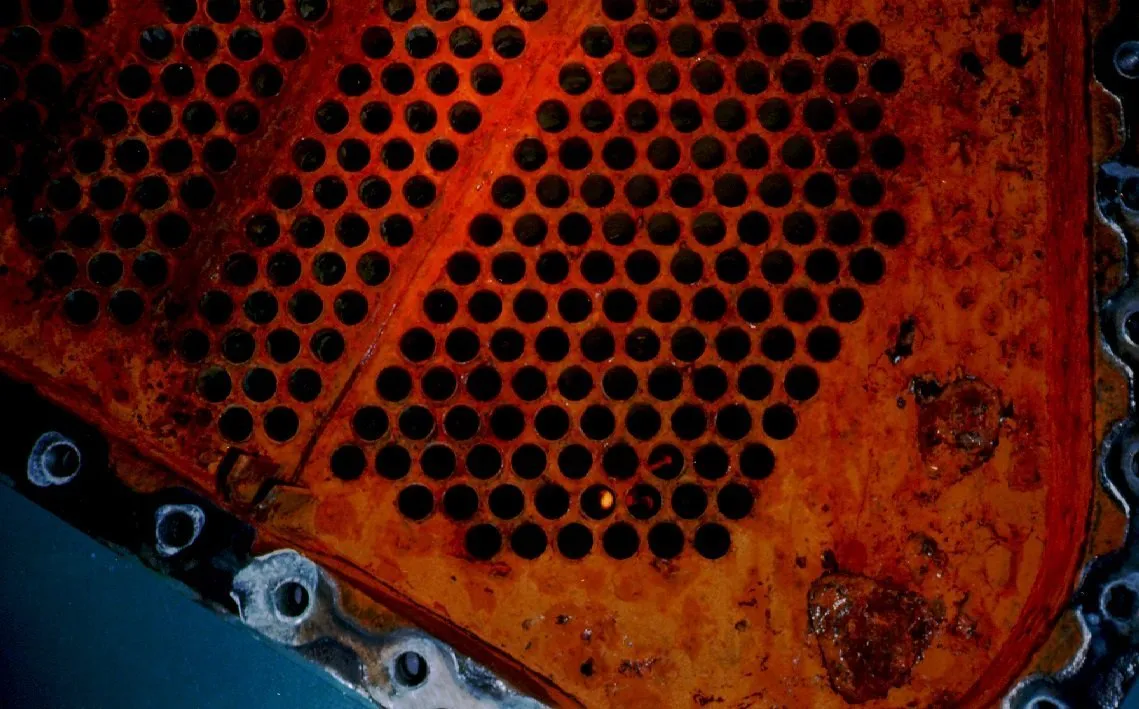
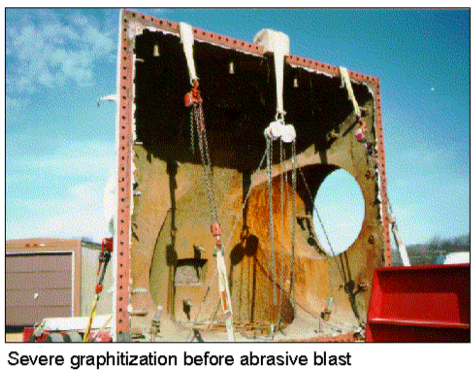
After years of continuous service, the interior of a deaerator tank had developed severe metal loss from corrosion. Deaerators operate by heating feedwater to remove dissolved oxygen and other gases before the water enters the boiler. The environment inside is hot, wet, and oxygen-active during the deaeration process itself, which creates conditions that steadily attack unprotected carbon steel over time.
Critical Variable
Metal Loss Here Is Not a Cosmetic Issue
The tank operates under pressure and feeds directly into the boiler system. A compromised interior means compromised water quality, potential contamination of the feedwater stream, and eventually structural risk to the vessel itself. By the time the corrosion had progressed to a level requiring restoration, the interior surface needed full removal of all corrosion products before any protective system could be applied.
The Solution
White Metal Blast, Three-Coat 100% Solids Epoxy System, Color-Coded for Quality Control
Blast Standard
SSPC SP-5 White Metal
System
Three-Coat 100% Solids Epoxy
Return to Service
Within 24 Hours
White Metal Blast — SSPC SP-5
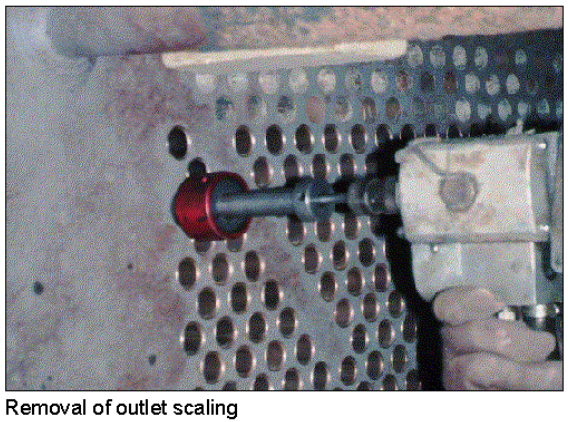
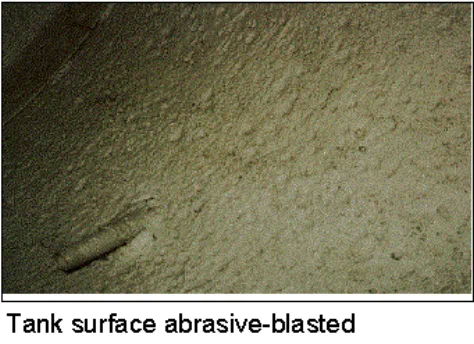
The interior was white metal blasted to SSPC SP-5, removing all pitted corrosion, scale, and degraded material down to bare, profiled steel. At the level of metal loss this tank had sustained, anything less than white metal preparation would leave compromised substrate under the new coating and set up the next failure.
Three-Coat Application by Hand
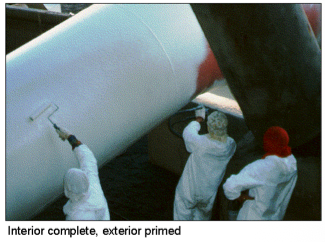
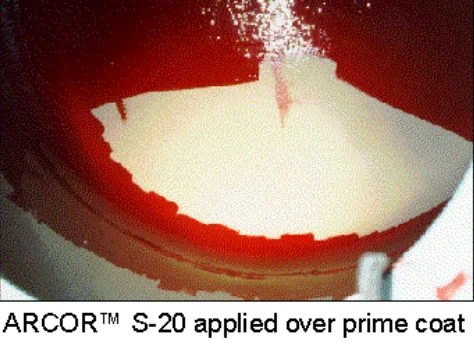
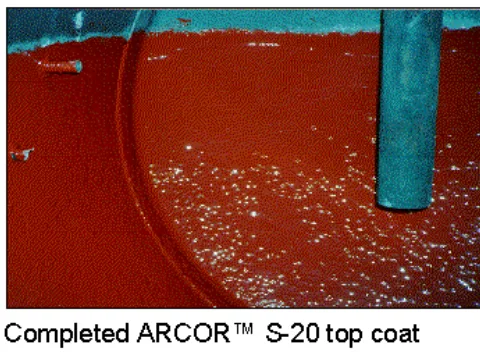
A three-coat 100% solids epoxy system was applied by hand. The primer coat establishes adhesion to the blasted steel. The intermediate coat, applied in a contrasting color, confirms full coverage of the primer without holidays or misses. The topcoat, again in a distinct color, confirms full coverage of the intermediate.
Color-Coded Quality Control
The use of three distinct coat colors is deliberate. Any skip or thin spot is immediately visible during application and inspection. At the film thicknesses involved, this three-color approach is one of the most reliable quality control methods available without instrumentation.
The Result
The unit was returned to service within 24 hours of completion. The three-coat system restored full interior protection across the tank surface, with the color-coded application confirming coating integrity at each stage.
What This Case Demonstrates
A Severely Corroded Deaerator Can Be Fully Restored in a Single Outage Event
Deaerator tanks are frequently overlooked in maintenance planning because their exterior condition gives no indication of what is happening inside. By the time internal corrosion becomes a visible operational issue, significant metal loss has already occurred. This case shows that a severely corroded deaerator interior can be fully restored in a single outage event when the surface preparation is thorough and the coating system is applied correctly. The 24-hour return to service is not incidental. It is a direct result of using a 100% solids system with no solvents to off-gas and no extended cure requirement before the vessel can be returned to operating conditions.

High-performance epoxy systems for industrial repair and protection.