Back to Resources
Pump Casing Rebuild: Restored to Factory Specification
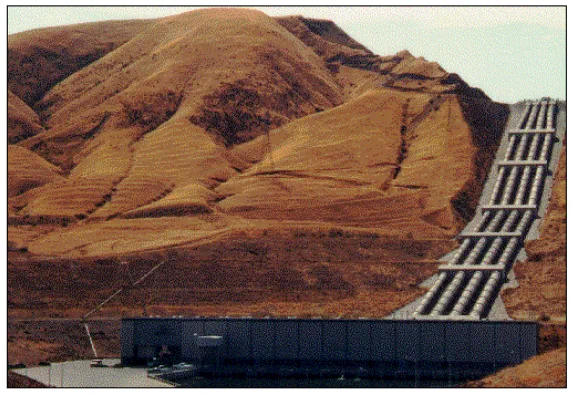
Fresh Water Pumping Station — California.
Fresh Water Pumping Station · California
The Problem
Erosion and Cavitation Below Original Efficiency Specification
Pump Diameter
14 ft
Flow Rate
280,000 GPM
In Service Since
1971
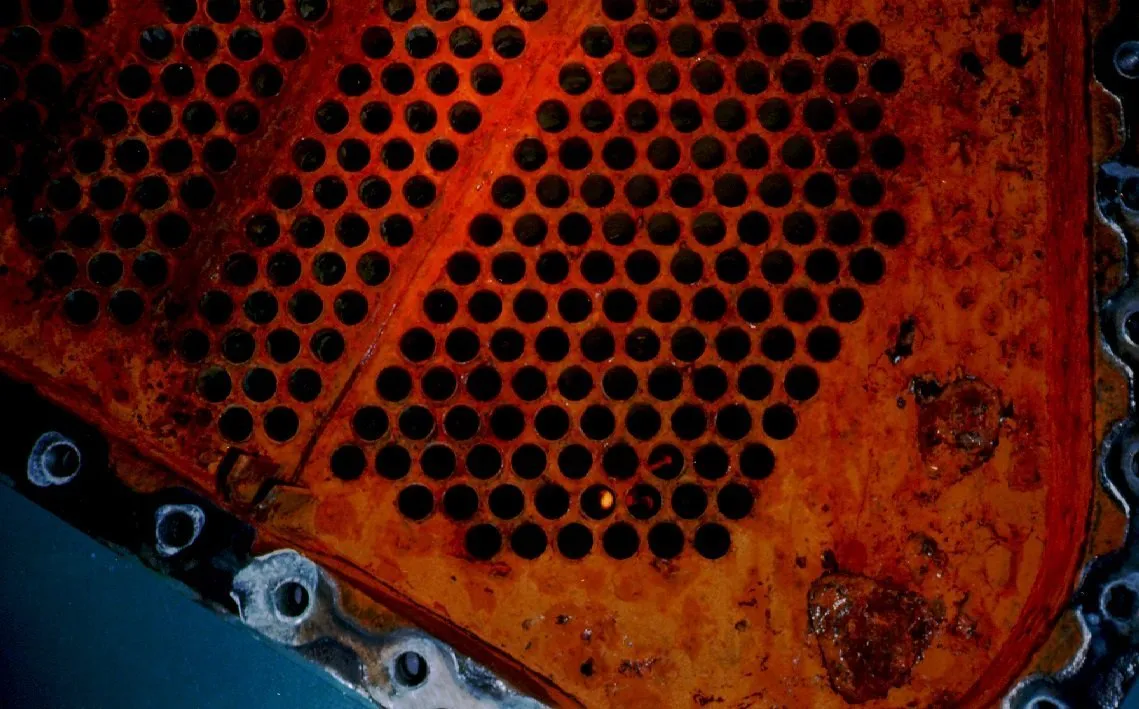
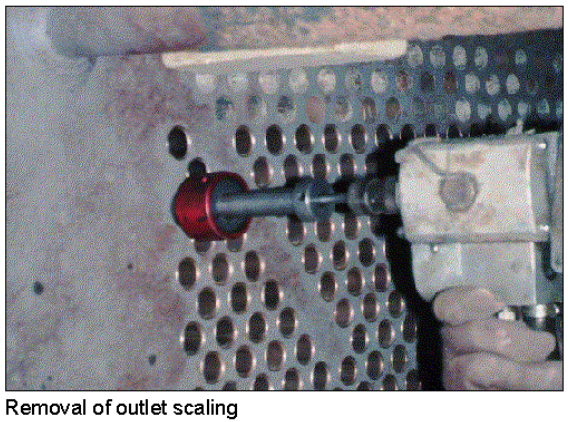
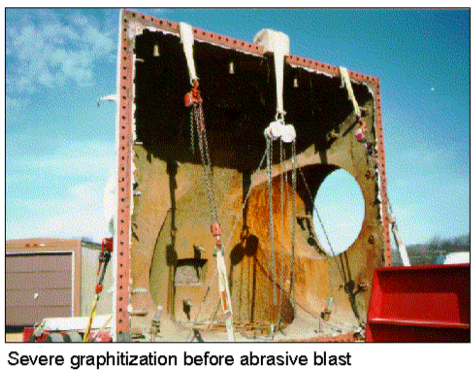
Erosion and cavitation had degraded the casing geometry to the point where the pump could no longer meet its original efficiency specification. A new stainless steel impeller was installed in an attempt to recover performance — efficiency still fell below original specification after reassembly.
Root Cause
The casing geometry itself was the limiting factor — the impeller alone could not compensate for dimensional loss in the surrounding structure. The decision was made to rebuild the casing back to manufacturer's specifications.
Specification
Ceramic-Filled Epoxy Rebuild + Epoxy Topcoat
Application
Casing, Draft Tube & Discharge Pipe
Substrate
Carbon Steel
Topcoat DFT
40 mils (8–10 mils at stay vanes)
Surface Preparation
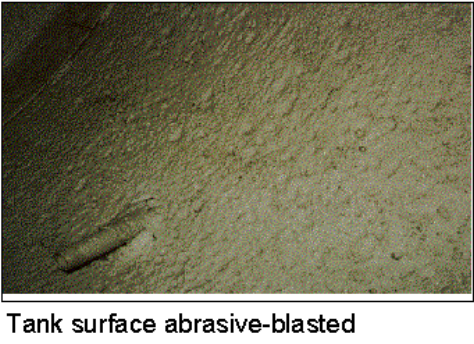
Abrasive blasted to white metal with a 3-mil minimum anchor profile across all surfaces.
Dimensional Rebuild
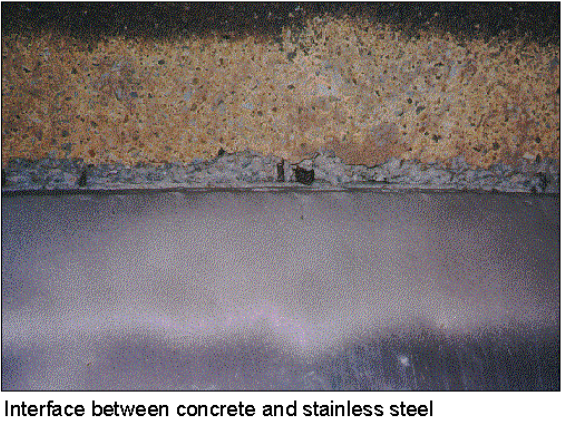
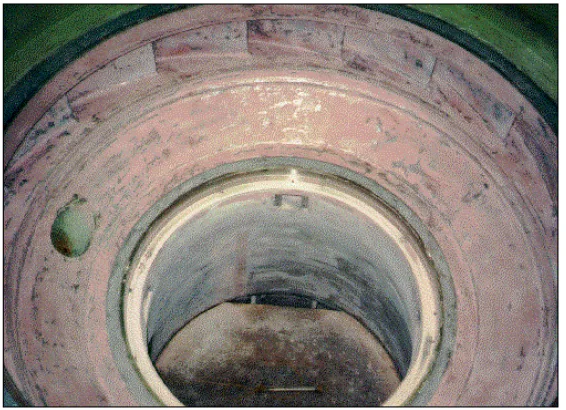
Ceramic-filled epoxy rebuilding compound applied over the entire casing, building eroded and cavitated regions proud of the surrounding substrate. Rebuilt surface was sanded to a smooth, uninterrupted profile. Multiple build-and-sand cycles were performed to bring the casing, draft tube, and discharge pipe into dimensional specification.
Topcoat
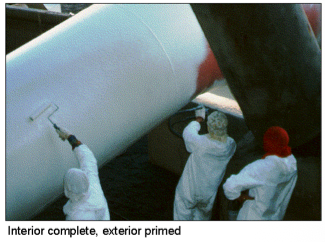
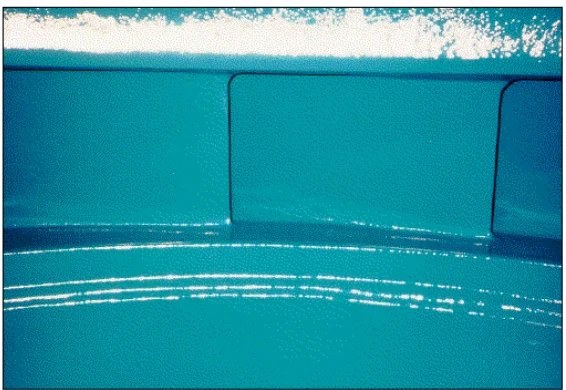
Two coats of epoxy topcoat spray-applied at 40 mils total DFT across all surfaces, with the exception of the stay vane leading edges where coating was held to 8–10 mils to maintain the tight dimensional tolerances required at those locations.
The Result
Met and Exceeded Original Efficiency Specification
Original Rating
91.0%
Post-Rebuild Rating
91.5%
The pump returned to service in 1992 and continued operating without major intervention. Minor repairs were subsequently made to the stay vane leading edges, where the reduced coating thickness in that area was susceptible to erosion from vane fluting.

High-performance epoxy systems for industrial repair and protection.